Opening Hook
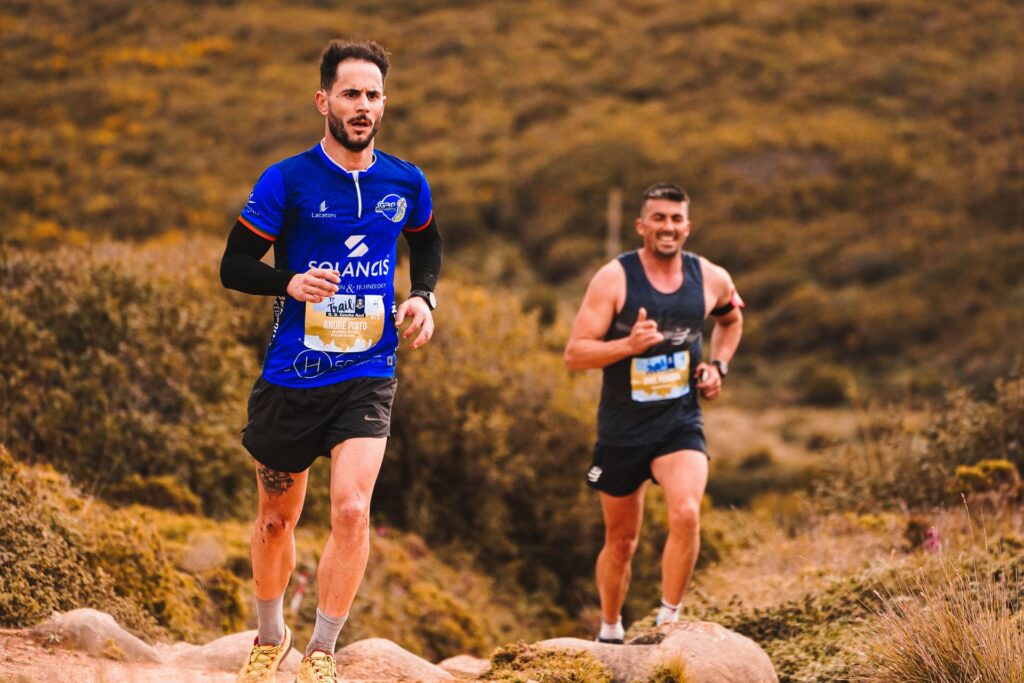
Imagine this: an athlete finishes a tough game or training session. Muscles ache. Energy is low. The next day feels even harder. Now imagine pressing “reset” on that fatigue with skilled hands that ease tension, calm the body, and help muscles bounce back faster. That is the promise of massage done right—and it is exactly what The Power Of Touch Massage Therapy brings to athletes who want to heal quicker and perform better.
Introduction
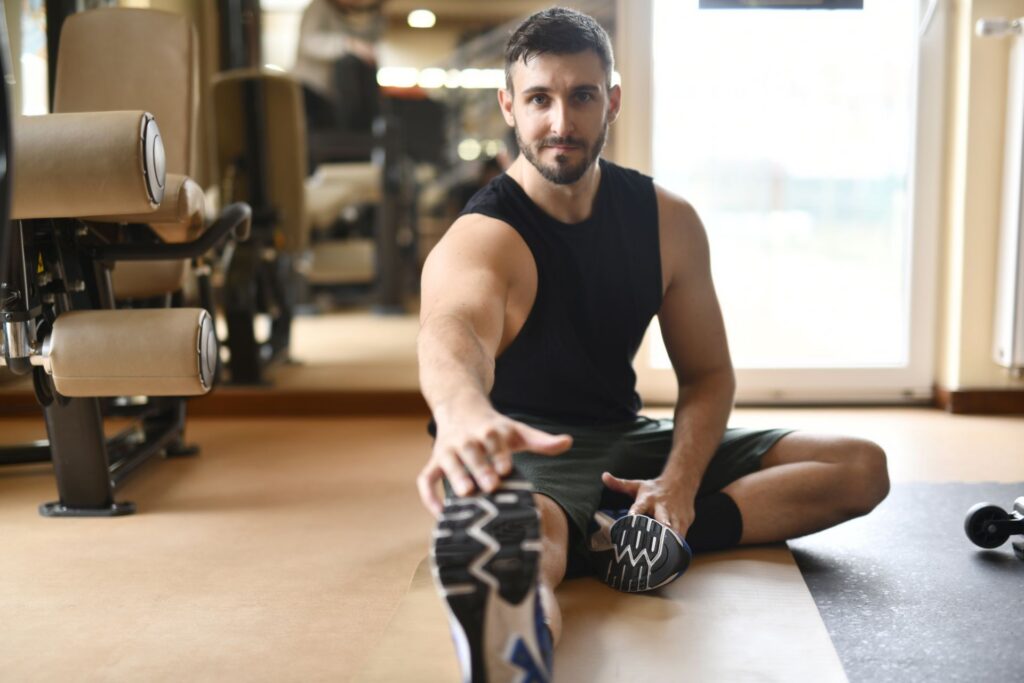
Athletes push their bodies to the limit. But real progress happens during recovery, not just during workouts. This article explains how The Power Of Touch Massage Therapy supports faster healing for athletes by reducing pain, improving flexibility, and helping the body repair after strain. You will learn how massage works, what benefits to expect, and how to use it as part of a smart recovery plan.
Why Recovery Matters for Athletes
Recovery is when muscles rebuild stronger. Without good recovery, athletes face more soreness, slower progress, and higher injury risk. Research shows massage therapy can reduce muscle pain, improve range of motion, and lower markers of muscle damage like creatine kinase (CK), which rises after hard exercise.
- Less soreness means athletes can train again sooner.
- Better flexibility helps movement feel smoother and safer.
- Faster clearance of muscle damage supports quicker return to peak form.

How The Power Of Touch Massage Therapy Helps Healing
The Power Of Touch Massage Therapy uses skilled, targeted touch to calm the nervous system and support tissue repair. Studies highlight several ways massage aids recovery:
Reduces Pain and Muscle Soreness
Multiple reviews show massage significantly lowers pain and delayed onset muscle soreness (DOMS), especially 24–72 hours after hard activity. One large analysis found massage reduced pain with a strong effect size and cut DOMS by up to 30% when used within two days post-exercise.
Improves Flexibility and Range of Motion
Massage helps muscles and connective tissue move more freely. Research reports meaningful gains in range of motion after sessions, which helps athletes stride, jump, and change direction with less stiffness.
Supports Muscle Repair and Lowers Damage Markers
Massage has been linked to lower serum CK levels, a sign of reduced muscle damage. Some studies also note better muscle strength recovery and improved readiness for the next session.
Calms the Nervous System
Massage boosts parasympathetic (“rest and digest”) activity, which lowers stress hormones and helps the body shift into repair mode. This calming effect can improve sleep and perceived recovery—key for consistent training.
What Kind of Massage Works Best?
Evidence points to a few practical tips:
- Deep tissue and sports-specific massage often show the largest benefits for pain and performance, especially in team and strength athletes.
- Session length: 15–30 minutes can be optimal for recovery; 40–60 minutes bi-weekly is linked to strong outcomes in injury rehab.
- Timing: Light post-session massage helps soreness; avoid very deep work right before competition.
Real-World Example: A Runner’s Recovery Plan
Consider a local runner training for a 10K. After speed workouts, they book a 25-minute sports massage focusing on calves, hamstrings, and hips. Over four weeks, they report:
- Less next-day stiffness
- Easier morning runs
- Fewer “tight” days that force rest
This matches research showing reduced soreness and better range of motion with regular massage.

Tips to Use The Power Of Touch Massage Therapy Wisely
- Plan around training: Schedule deeper sessions on easy days or after key workouts, not right before race day.
- Combine with basics: Sleep, hydration, protein, and gentle movement still matter most; massage complements these.
- Communicate pressure: Tell Tammy, who is your licensed massage therapist what feels helpful—“good hurt” versus sharp pain—so treatment supports, not stresses, recovery.
Common Myths, Clarified
- “Massage flushes lactic acid.” Current science says lactate clears quickly on its own; massage helps more by calming nerves and easing tension than by “flushing.”
- “More pressure is always better.” Not true. Excess pressure can increase soreness. Moderate, targeted work often works best.
Conclusion
The Power Of Touch Massage Therapy gives athletes a proven, safe way to heal faster. It reduces pain and DOMS, improves flexibility, supports muscle repair, and calms the nervous system so the body can rebuild. Used at the right time and with the right technique, massage becomes a smart part of any training plan.
Call to action: Ready to feel the difference? Book a session with The Power Of Touch Massage Therapy, share this article with a teammate, or drop a comment about your favorite recovery tool.